How to Select the Right Curtain Wall Manufacture for Specific Building Applications.
As architectural projects take shape, the selection of the right building envelope becomes a critical decision. Among the most prominent options, curtain walls stand out as both functional necessities and aesthetic statements, shaping a building's identity and performance. Choosing the appropriate curtain wall system and, crucially, the right curtain wall manufacturer, is more than just a procurement task; it's a strategic decision that impacts everything from energy efficiency and building aesthetics to long-term maintenance and structural integrity. In this guide, we will explore the essential considerations to help you partner with the best curtain wall manufacturer for your specific building applications, ensuring your project meets the highest standards of design, performance, and sustainability.
Key Takeaways
Selecting the right curtain wall manufacturer is a complex but crucial process that defines a building's performance, safety, and aesthetic. This decision extends far beyond simple procurement, influencing long-term operational costs, occupant comfort, and structural resilience. Here are the key takeaways to guide architects, developers, and builders in making an informed choice:
Understand the Fundamentals of Curtain Wall Systems: A curtain wall is a non-structural outer envelope designed to protect the building from environmental elements while enhancing its appearance. It manages wind loads, resists water and air infiltration, and allows for expansive use of glass, but it does not support the building's structural weight. There are three primary types: stick-built, unitized, and semi-unitized. Stick-built systems are assembled piece-by-piece on-site, offering design flexibility for complex geometries but requiring longer installation times and more on-site labor. Unitized systems consist of large, factory-assembled panels that are quickly installed on-site, ensuring high quality control and speed, making them ideal for high-rise projects. Semi-unitized systems offer a hybrid approach, balancing the flexibility of stick systems with the quality of unitized fabrication.
Prioritize Performance and Compliance: A manufacturer's ability to meet stringent performance criteria is non-negotiable. This includes superior thermal performance, measured by U-values, which is achieved through thermal breaks and high-performance glazing like Low-E glass to reduce energy consumption. Robust weather resistance is equally critical; the system must be rigorously tested to prevent air and water infiltration under extreme conditions. Furthermore, acoustic performance is essential for occupant comfort, especially in urban areas. Safety cannot be overlooked, encompassing fire resistance, seismic resilience, and security features like blast-resistant or laminated glass. A reputable manufacturer will provide certified data and test reports to verify compliance with all local and international building codes and standards.
Evaluate Manufacturer Qualifications and Experience: The manufacturer's track record is a direct indicator of their reliability. Look for a company with extensive experience in projects of a similar scale and complexity to yours. Assess their quality control processes, both in the factory and on-site. Certifications from recognized industry bodies serve as third-party validation of their commitment to quality. Client testimonials, project portfolios, and site visits to completed projects offer invaluable insights into their capabilities and the long-term performance of their products.
Balance Cost with Long-Term Value and Sustainability: While initial cost is a significant factor, it should be weighed against the system's entire life cycle cost. A higher upfront investment in a unitized system may lead to long-term savings through faster installation, lower labor costs, and superior energy efficiency. Sustainability is another key consideration. Inquire about the manufacturer’s use of recycled materials, such as aluminum, and their commitment to eco-friendly manufacturing processes. A sustainable approach can contribute to green building certifications like LEED and enhance the building's market value.
Embrace a Collaborative Partnership: The most successful projects result from early collaboration between the architectural team, the manufacturer, and specialist consultants. Engaging the manufacturer during the design phase, often through a "delegated design" or "design-assist" process, can lead to more efficient, cost-effective, and innovative solutions. This early dialogue ensures that the manufacturer's technical expertise is leveraged to preserve the original design intent while optimizing for performance and buildability. Clear communication, detailed shop drawings, and a shared commitment to the project's goals are the hallmarks of a successful partnership.
By focusing on these core principles—understanding the system types, demanding proven performance, verifying manufacturer qualifications, analyzing long-term value, and fostering collaboration—you can confidently select a curtain wall partner who will not only deliver a superior product but also contribute to the lasting success of your architectural vision.
Selecting the Ideal Curtain Wall Manufacture: Essential Foundational Aspects
The journey to a successful building facade begins with a solid understanding of the basics. Before evaluating specific manufacturers, it's crucial to grasp what a curtain wall is, the different systems available, and how to align your project's aesthetic and functional needs. This foundational knowledge empowers you to ask the right questions and make an informed decision when selecting a manufacturing partner.
Grasping the Core: What is a Curtain Wall and Its Purpose?
A curtain wall is an outer covering of a building in which the outer walls are non-structural, utilized only to keep the weather out and the occupants in. Since the curtain wall is non-structural, it can be made of lightweight materials, like glass, which can reduce construction costs. These systems are attached to the building's main structure and do not carry the floor or roof loads of the building; instead, they support only their own weight and transfer wind and gravity loads to the building's frame.
The primary purpose extends beyond aesthetics. A curtain wall's chief function is to act as a barrier, protecting the building's interior from environmental elements such as air and water infiltration. Modern architecture heavily relies on these systems for several key benefits:
- Energy Efficiency: Advanced curtain walls incorporate thermal breaks and high-performance glazing to minimize heat transfer, substantially reducing heating and cooling costs.
- Natural Light: The extensive use of glass allows natural light to penetrate deep into the building, reducing the need for artificial lighting and creating a more pleasant indoor environment.
- Aesthetic Versatility: With materials ranging from glass to metal panels and stone veneers, curtain walls offer immense design freedom, enabling architects to create unique and visually striking facades.
- Structural Innovation: Because they are lightweight, curtain walls reduce the overall load on a building's an foundation, enabling the construction of taller and more innovative structures.
Exploring Different Curtain Wall Systems: Stick-Built, Unitized, and Semi-Unitized
Curtain walls are generally categorized into three main types based on their fabrication and installation methods. The choice between them significantly impacts project timelines, budget, and quality control.
| System Type | Description | Best Suited For | Advantages | Disadvantages |
|---|---|---|---|---|
| Stick-Built | Components (mullions, transoms, glass) are shipped to the site and assembled piece by piece on the building's exterior. | Low- to mid-rise buildings, projects with complex geometries, or where staging area is plentiful. | High design flexibility, lower material shipping costs, readily available installers. | Slower on-site installation, higher on-site labor costs, potential for quality issues due to changing site conditions. |
| Unitized | Large, pre-fabricated units, often one-story high and several panels wide, are created in a factory, shipped to the site, and hoisted into place. | High-rise buildings, projects with tight construction schedules, and large-scale facades with repetitive designs. | Fast installation, superior quality control (factory conditions), better performance (air/water seals). | Higher upfront fabrication and shipping costs, less design flexibility on-site, requires significant lead time. |
| Semi-Unitized | A hybrid approach where parts of the frame (e.g., vertical mullions and transoms) are assembled in the factory, while glass and final components are installed on-site. | Mid-rise projects or complex designs that need better quality control than stick systems but more flexibility than unitized. | Balances quality control and on-site flexibility, can be more economical for smaller or complex jobs. | Installation is more complex than a fully unitized system, and it requires careful coordination between factory and site work. |
Understanding these systems is the first step in narrowing down the type of manufacturer you need. Some may specialize in large-scale unitized projects, while others excel at the craftsmanship required for custom stick-built facades.

Aligning Aesthetic Goals with Functional Requirements
A successful curtain wall is one where form and function are in perfect harmony. The aesthetic vision of the architect must be balanced with the practical performance needs of the building and its occupants. This alignment process involves several key considerations:
- Material and Finish: The choice of infill panels—whether transparent glass, spandrel glass, metal panels, or stone veneer—dramatically affects the building's appearance. The color, texture, and finish of the aluminum framing should also complement the building's overall design palette.
- Transparency and Sightlines: The desire for a sleek, all-glass façade must be weighed against factors like glare control and thermal performance. The framing system itself—whether the frame is visibly expressed or concealed for a seamless look—is a critical design choice.
- Integration with Other Systems: The curtain wall must seamlessly integrate with other building components, such as operable windows, louvers for ventilation, and sun-shading devices.
A capable manufacturer will work collaboratively with the design team to explore these options, providing samples and technical data to ensure the final product meets both the artistic intent and the required performance specifications.
The Paramount Importance of Reputable Curtain Wall Manufacture Qualifications
The selection of a curtain wall manufacturer is one of the most critical decisions in the procurement process. The facade is a complex, high-performance system, and its failure can lead to catastrophic consequences, including water leaks, structural issues, and poor energy performance. Therefore, vetting the qualifications of a potential manufacturing partner is paramount.
Look for a manufacturer with a proven track record on projects of similar scope and complexity. Insist on seeing their certifications and testing data that verify their products meet industry standards. A reputable manufacturer will be transparent about their quality control procedures, from raw material sourcing to factory fabrication and on-site support. Client references, project portfolios, and tours of completed buildings are invaluable tools for assessing a manufacturer's true capabilities and commitment to quality.
Assessing a Curtain Wall Manufacture for Advanced Performance and Strict Compliance
Once you have a foundational understanding, the next step is to critically assess a manufacturer's ability to deliver a product that performs under pressure and complies with all relevant regulations. This involves a deep dive into the technical specifications that govern energy efficiency, weather resistance, safety, and regulatory adherence. A premier manufacturer will not only meet these standards but will provide the certified documentation to prove it.
Achieving Superior Thermal Performance and Energy Efficiency
A curtain wall's impact on a building's energy consumption is enormous. As the primary interface between the indoor and outdoor environments, its ability to insulate is a critical performance metric. A manufacturer must demonstrate their systems can achieve superior thermal performance.
The key metric here is the U-value, or thermal transmittance, which measures the rate of heat transfer through the assembly. A lower U-value indicates better insulation. Achieving a low U-value depends on several factors:
- Thermally Broken Frames: Aluminum is an excellent conductor of heat, so a "thermal break"—a continuous barrier of a less conductive material, like polyamide, situated within the frame—is essential to prevent heat transfer.
- High-Performance Glazing: Modern systems use Insulated Glass Units (IGUs), typically double or triple-paned. These units are often filled with an inert gas like argon and feature Low-Emissivity (Low-E) coatings, which are microscopically thin layers that reflect infrared radiation, keeping heat inside during the winter and outside during the summer.
- Warm-Edge Spacers: The spacer that separates the panes of glass in an IGU can be a source of heat loss. "Warm-edge" spacers made of materials less conductive than standard aluminum improve the overall U-value.
An upgrade from a standard, non-thermally broken system to a high-efficiency one can reduce heat loss significantly, leading to substantial savings in heating and cooling costs over the building's lifespan. A prospective manufacturer should be able to provide area-weighted U-value calculations for the entire proposed assembly, not just the center-of-glass value, to give a true picture of its performance.
Ensuring Robust Weather Resistance and Acoustic Comfort
A curtain wall's most fundamental job is to protect the building from the elements. A manufacturer must provide proof that its systems have been rigorously tested for weather resistance according to established standards.
Weather Resistance Testing typically involves:
- Air Infiltration Test (ASTM E283): This measures the amount of air that leaks through the assembly under pressure, ensuring the building is airtight to prevent drafts and energy loss.
- Static Water Penetration Test (ASTM E331): The system is subjected to a uniform static air pressure while water is sprayed over its exterior to check for any leaks. This simulates wind-driven rain.
- Dynamic Water Penetration Test (AAMA 501.1): This test uses an aircraft engine or large fan to create a dynamic, fluctuating wind and water spray, simulating more severe weather conditions.
- Structural Load Test (ASTM E330): This test applies a uniform static air pressure to the wall to determine its structural performance and ensure it can withstand design wind loads without failure or excessive deflection.
Beyond weather, acoustic comfort is vital for occupant well-being, especially in noisy urban environments. Sound transmission through a facade is measured by metrics like Sound Transmission Class (STC) and Outdoor-Indoor Transmission Class (OITC). The OITC rating is often considered more relevant for exterior walls as it focuses on the frequencies of common urban noises like traffic. A manufacturer should offer solutions to enhance acoustic performance, such as:
- Laminated Glass: An interlayer of PVB (polyvinyl butyral) in laminated glass is highly effective at damping sound vibrations.
- Varying Glass Thickness: Using different thicknesses of glass in an IGU can disrupt sound waves at different frequencies.
- Acoustic Inserts: Specially designed inserts within the mullion and transom profiles can help block sound that travels through the frame itself.
Prioritizing Building Occupant Safety and Enhanced Security Features
Safety is a non-negotiable aspect of curtain wall design. A manufacturer must demonstrate compliance with all relevant safety standards, which cover everything from impact resistance to fire and security.
Key safety features to look for include:
- Impact Resistance: Glazing in critical locations must be safety glass, such as tempered or laminated glass, to minimize injury if it breaks. Laminated glass is particularly effective as the interlayer holds the fragments together.
- Fire Safety: In the event of a fire, the curtain wall system must not contribute to the spread of flames or smoke between floors. This is achieved through "perimeter fire barrier systems" installed in the gap between the floor slab and the curtain wall.
- Security: For buildings with higher security needs, such as government offices, banks, or airports, manufacturers can offer specialized systems. These may include bullet-resistant glazing and reinforced framing that have been certified to withstand ballistic or blast impacts.
Meeting Stringent Building Regulations, Including U-Values and Other Specifications
Every building project is governed by a set of local and national building codes that dictate minimum performance requirements. A competent manufacturer must not only be aware of these regulations but also design and provide systems that demonstrably comply with them.
In the UK, for example, Part L of the Building Regulations sets the standard for the conservation of fuel and power, heavily focusing on U-values to ensure energy efficiency. Similarly, Part K addresses protection from falling, collision, and impact, which is relevant for the structural integrity and glazing specification of curtain walls used as balconies or barriers.
A manufacturer must be able to provide documentation, such as test reports and product specifications, that confirms their system meets or exceeds all relevant standards, including:
- BS EN 13830: The European standard for curtain walling products, covering structural strength, weather tightness, and thermal and acoustic performance.
- AAMA and ASTM standards: These American standards are widely recognized and used globally for testing performance aspects like air leakage (ASTM E283), water penetration (ASTM E331), and structural performance (ASTM E330).
Your chosen manufacturing partner should act as a knowledgeable resource, guiding you through the compliance landscape to ensure your project meets all its legal obligations.
Mitigating Risks Associated with Unauthorized Product Substitution
In the construction industry, the practice of substituting specified products for cheaper, often inferior, alternatives is a significant risk. This can happen during the bidding or construction phase under the guise of "value engineering." While genuine value engineering aims to find cost-effective solutions without compromising quality, unauthorized substitution can severely undermine a curtain wall's performance, safety, and longevity.
The risks include:
- Reduced Thermal Performance: A cheaper system may lack proper thermal breaks or use lower-quality glazing, leading to higher energy bills.
- Compromised Weather Resistance: Inferior seals, gaskets, or drainage provisions can result in costly water leaks and damage.
- Safety Hazards: Non-compliant materials could fail under structural load or not provide the required fire or impact resistance.
- Aesthetic Degradation: A substituted product may not match the color, finish, or sightlines of the original design intent.
To mitigate this risk, it is crucial to partner with a reputable manufacturer whose products and processes are transparent and well-documented. The specifications should be clear and robust, making it difficult for substitutions to go unnoticed. Insisting on seeing product data sheets, test certifications, and mock-ups for the exact system being proposed is essential. A trustworthy manufacturer will support this verification process, ensuring that the product delivered and installed is the product that was specified and promised.
The Enduring Impact: Cost-Effectiveness, Sustainability, and Your Chosen Curtain Wall Manufacture
Choosing a curtain wall manufacturer has implications that extend far beyond the construction phase. The decision impacts the building's financial performance, environmental footprint, and long-term viability. A forward-thinking approach requires balancing initial expenditures with future savings, prioritizing sustainable practices, and ensuring a high-quality installation that minimizes future maintenance burdens.
Strategizing Financial Outlays: Balancing Initial Costs with Long-Term Savings
While the initial price tag of a curtain wall system is a significant factor, a purely cost-driven decision can be short-sighted. A comprehensive financial strategy involves a Life Cycle Cost Analysis (LCA), which evaluates the total cost of ownership over the building's lifespan.
Key factors to consider include:
- Initial Cost: This includes the cost of materials, fabrication, and shipping. Unitized systems, for example, typically have higher upfront fabrication costs but can be cheaper to install.
- Installation Cost: Stick-built systems require more time and skilled labor on-site, increasing installation costs, whereas unitized systems can be erected much faster, reducing labor expenses and shortening construction timelines.
- Operational Savings: The most significant long-term savings come from energy efficiency. A high-performance facade with excellent thermal insulation and solar control will drastically reduce a building's heating and cooling loads, leading to lower utility bills year after year. For example, upgrading to a high-performance system can reduce annual energy costs by a significant margin, potentially offering a payback within a few years.
- Maintenance and Replacement Costs: A well-designed and properly installed system from a reputable manufacturer will require less maintenance and have a longer service life, avoiding costly repairs and premature replacement.
A manufacturer should be able to provide the data necessary for this analysis, helping you understand how a higher initial investment can lead to substantial long-term value.
Embracing Sustainable Material Choices and Eco-Friendly Manufacturing Processes
In an era of increasing environmental awareness, the sustainability of building materials is a critical consideration. A responsible curtain wall manufacturer will be committed to eco-friendly practices throughout their supply chain and production processes.
Sustainability in curtain walls involves several aspects:
- Material Sourcing: The primary materials, aluminum and glass, are both highly recyclable. Using recycled aluminum requires only a fraction of the energy needed to produce virgin aluminum, significantly reducing the system's embodied carbon. Some manufacturers even offer timber curtain walls, which act as a carbon sink.
- Eco-Friendly Manufacturing: Inquire about the manufacturer's processes. Do they use renewable energy? Have they implemented waste-reduction programs? Do they avoid harmful chemicals in their finishes and sealants?
- Green Building Certifications (e.g., LEED): A high-performance, sustainably-produced curtain wall can contribute significantly to achieving green building certifications like LEED (Leadership in Energy and Environmental Design). Points can be earned in categories such as Energy and Atmosphere, Materials and Resources (for recycled content and regional sourcing), and Indoor Environmental Quality (for daylighting and views).
- Innovations: The industry is continually innovating with sustainable technologies. This includes Building Integrated Photovoltaics (BIPV), where the facade itself generates electricity, and dynamic glass that can change its tint to control solar heat gain.
Partnering with a manufacturer who prioritizes sustainability not only reduces the project's environmental impact but also enhances the building's value and appeal to a growing market of environmentally conscious tenants and buyers.
Demanding Professional Installation and Planning for Practical Maintenance
The performance of even the best-designed curtain wall is entirely dependent on the quality of its installation. A premier manufacturer recognizes this and often plays a role in ensuring the installation is done correctly, either by providing their own certified installation teams or by offering comprehensive training and on-site supervision for third-party installers.
Professional installation is critical for:
- Weather Tightness: Proper sealing of joints and interfaces is crucial to prevent air and water leaks.
- Structural Integrity: Anchors must be correctly fastened to the building structure to handle all anticipated loads.
- Performance: The system must be installed according to precise tolerances to ensure components like thermal breaks and gaskets function as designed.
It is essential to follow detailed installation guidelines and ensure clear communication between the manufacturer, the general contractor, and the installation team. Many guidelines emphasize verifying that the rough opening is plumb and square and that the substructure is level before installation begins.
Practical maintenance planning is also key to ensuring the curtain wall's longevity. While modern systems are designed to be low-maintenance, they are not no-maintenance. A routine maintenance plan should include:
- Regular Cleaning: Periodic cleaning of glass and frames removes dirt and pollutants that can degrade surfaces over time.
- Inspection of Seals and Gaskets: Over time, seals can degrade due to UV exposure and weathering. Regular inspections help identify any cracked or shrinking gaskets that need replacement to prevent leaks.
- Checking Drainage Systems: Weep holes and drainage channels must be kept clear of debris to ensure they function correctly and prevent water from accumulating within the system.
A manufacturer should provide a detailed maintenance manual for their system, outlining recommended procedures and schedules. By demanding professional installation and planning for routine upkeep, you protect your investment and ensure the facade performs optimally for decades.
Cultivating Collaborative Success: Delegated Design with Your Curtain Wall Manufacture
The complexity of modern curtain wall systems often necessitates a collaborative approach that goes beyond the traditional design-bid-build model. "Delegated design" and "design-assist" are two such collaborative frameworks where the manufacturer's specialized expertise is integrated early in the design process. This partnership ensures that the architectural vision is not only achievable but also optimized for performance, cost, and constructability.
Determining the Necessity and Scope of Delegated Design by Professional Engineers
Delegated design is a contractual process where the responsibility for designing specific, specialized parts of a project—like the curtain wall system—is shifted from the architect or Engineer of Record (EOR) to the contractor and their specialty manufacturer. The design team provides performance specifications (e.g., wind loads, thermal targets, deflection limits), and the manufacturer's professional engineers develop the detailed engineering to meet those criteria.
This approach is necessary when:
- The system is proprietary: Manufacturers have unique, pre-tested systems, and designing every nut and bolt from scratch would be inefficient and risky.
- Specialized expertise is required: Curtain wall engineering involves complex calculations for structural integrity, thermal movement, and weatherproofing that fall within the manufacturer's core competency.
- The design is complex: Custom geometries, unique materials, or high-performance requirements demand the specialized knowledge that only a manufacturer can provide.
The scope of delegated design must be clearly defined in the contract documents. It should specify the performance criteria the system must meet and require the manufacturer's licensed professional engineer to sign and seal all shop drawings and calculations, taking responsibility for that portion of the design. The architect, however, retains responsibility for the overall project design and must review the delegated design submittals to ensure they conform to the original design intent.

Fostering Early Engagement and Dialogue with Manufacturers and Specialist Consultants
The most successful projects are born from collaboration that begins long before construction. Engaging the curtain wall manufacturer and other specialist consultants early in the design phase—often called Early Contractor Involvement (ECI) or Design-Assist—offers significant benefits. This process is less about handing over design control and more about leveraging collective intelligence.
Benefits of Early Engagement:
- Cost Certainty: By involving the manufacturer early, the team can get realistic pricing and conduct value engineering that optimizes the design without simply cutting costs.
- Constructability Insights: The manufacturer provides invaluable feedback on the feasibility of the design, identifying potential challenges and proposing practical, buildable solutions.
- Risk Mitigation: Early identification of technical, logistical, and coordination risks helps prevent costly changes and delays later in the project.
- Innovation: This collaborative dialogue provides the opportunity to explore innovative materials and systems that can enhance performance and aesthetics.
- Schedule Efficiency: With a well-understood and coordinated design, the process of creating and approving shop drawings is faster, and lead times for materials can be better managed.
This collaborative approach fosters a "shared reality" where the architect, contractor, and manufacturer work as a unified team, leading to a better product and a smoother project delivery.
Ensuring Precision: Adherence to Specifications to Preserve Original Design Intent
While delegated design transfers some engineering responsibility, it is crucial that the architect's original design intent is not lost in translation. This is where detailed specifications and rigorous review of submittals, particularly shop drawings, become essential.
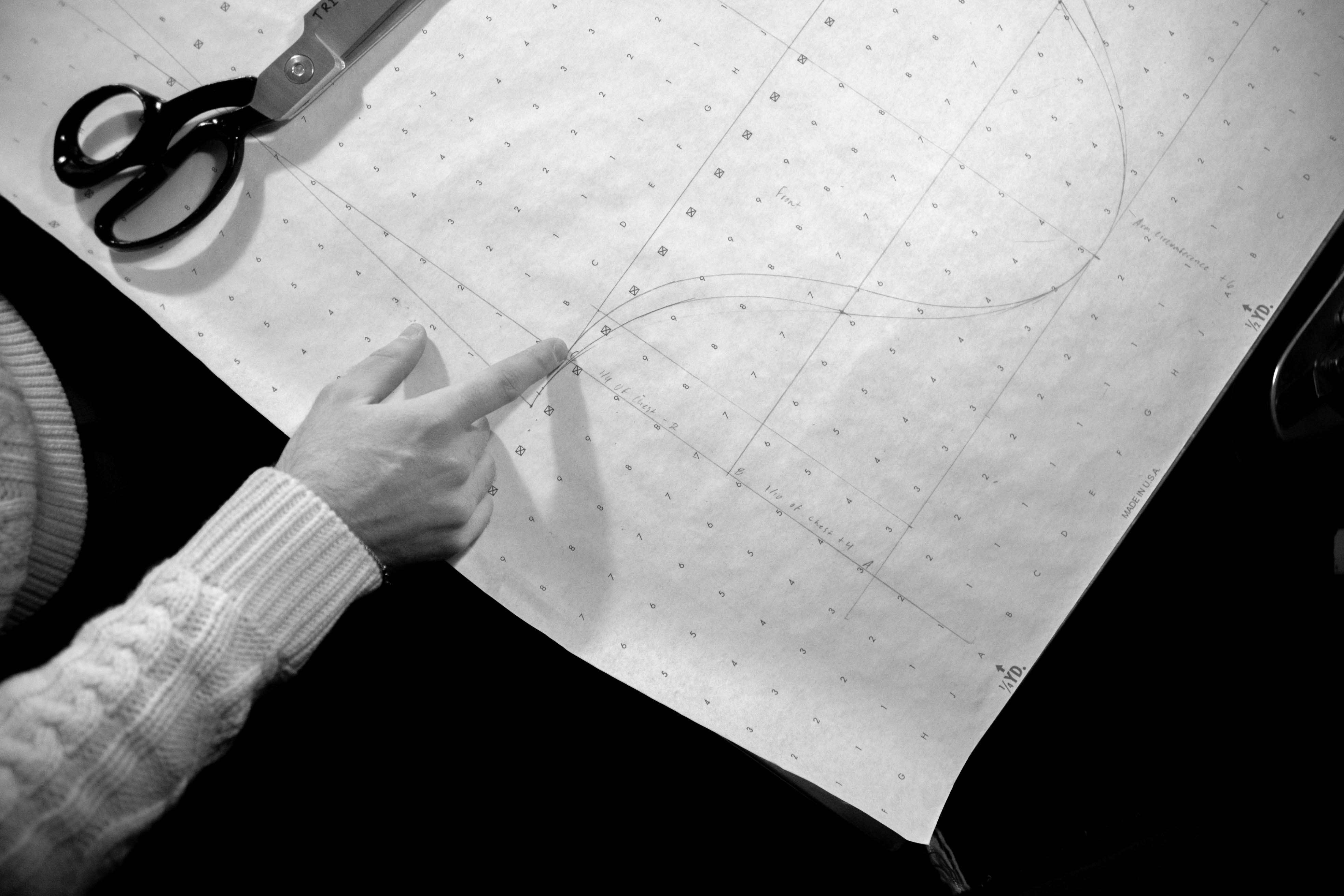
Shop drawings are the manufacturer's detailed instructions for fabrication and installation. They are the critical bridge between the architect's conceptual drawings and the final built product. These drawings must provide an exhaustive level of detail, including:
- Elevations and section details showing mullion and transom profiles, dimensions, and connections.
- Anchorage details illustrating how the curtain wall connects to the building's structure.
- Material specifications for glass, aluminum, gaskets, and sealants.
- Fabrication instructions with cut lengths, drill locations, and assembly sequences.
The architect and facade consultant must meticulously review these shop drawings against the project's performance and aesthetic specifications. This review process is the final checkpoint to ensure that every visible detail, from the width of a sightline to the color of a finish, aligns with the architectural vision. It also verifies that the engineered system will meet all performance requirements, from wind load resistance to watertightness. By maintaining close oversight and clear communication throughout the shop drawing phase, the design team ensures that the collaborative process enhances the project without compromising its core design integrity.
Conclusion
Ultimately, the success of a building's façade hinges on a well-informed decision-making process when selecting a curtain wall system and its supplier. By meticulously evaluating technical specifications, performance metrics, long-term implications, and the reliability of the curtain wall manufacturer, we can ensure our projects achieve both architectural brilliance and lasting functionality. Let us prioritize quality, expertise, and a collaborative approach to ensure that the curtain wall selected for our building not only performs optimally but also contributes positively to its environment and longevity. We encourage you to share this article with your colleagues and discuss how these principles can be applied to your future projects.
Frequently Asked Questions (FAQs)
1. What is the main difference in cost between unitized and stick-built curtain wall systems?
The cost difference between unitized and stick-built systems is primarily a trade-off between material and labor costs. Unitized systems generally have a higher upfront material and fabrication cost because the large panels are fully assembled in a controlled factory setting. However, they offer significant savings on-site through much faster installation times and reduced labor requirements. This makes them particularly cost-effective for large, high-rise projects with repetitive designs and tight schedules. Conversely, stick-built systems have lower initial material and shipping costs since components are delivered as individual pieces. Their main expense comes from the intensive on-site labor required for assembly and glazing, which takes significantly longer. Therefore, while stick systems might seem cheaper initially, the total installed cost can be higher, especially when factoring in the extended construction schedule.
2. How long does a typical curtain wall last?
A well-designed, properly installed curtain wall system from a reputable manufacturer can have a service life of 40 to 50 years or more. The longevity depends on several factors, including the quality of the materials (such as aluminum, glass, and gaskets), the environmental conditions of the site (e.g., coastal salt spray or high pollution), the quality of the installation, and the consistency of the maintenance program. Components like gaskets and sealants have a shorter lifespan, typically 10 to 20 years, and will require replacement as part of a regular maintenance schedule to prevent water and air leakage. The structural aluminum framing and the glass itself are highly durable and can last for many decades.
3. What are the most common points of failure in a curtain wall system?
The most common points of failure in a curtain wall system are typically related to water and air infiltration. These failures often originate from:
- Sealant and Gasket Deterioration: The rubber or silicone seals that make the system weathertight are exposed to UV radiation, temperature fluctuations, and moisture. Over time, they can become brittle, crack, or lose their elasticity, creating pathways for water and air to enter.
- Improper Installation: Errors during installation, such as improperly sealed joints, incorrect anchor placement, or poor integration with adjacent building envelope components (like roofing or flashing), are a primary cause of leaks.
- Drainage System Blockage: Curtain wall systems are designed with internal drainage channels and weep holes to manage any water that gets past the primary seals. If these pathways become clogged with debris, water can back up and find its way into the building.
- Structural and Thermal Movement: Failure to properly account for the expansion and contraction of materials can put stress on joints and seals, leading to their premature failure.
4. Can curtain walls be used on residential buildings?
Yes, curtain walls are increasingly being used in residential construction, particularly in high-end apartment buildings, condominiums, and custom homes. They offer the same benefits as in commercial applications: floor-to-ceiling glass for expansive views and abundant natural light, a modern aesthetic, and high performance. While traditionally associated with skyscrapers, lightweight stick systems and specialized residential-grade curtain wall products make them a viable and attractive option for smaller-scale residential projects seeking a premium look and feel.
5. What is the role of a performance mock-up test for a curtain wall?
A performance mock-up test is a crucial quality assurance step where a full-scale sample of the proposed curtain wall system is built and subjected to rigorous laboratory testing before mass fabrication begins. Its role is to verify that the final system will meet all specified performance requirements. The mock-up is typically tested for air infiltration, static and dynamic water penetration, structural performance under wind load, and seismic movement. This testing validates the design, engineering, and proposed installation methods, allowing the project team to identify and resolve any potential deficiencies in a controlled environment before the system is installed on the actual building, thereby mitigating significant risk of failure and costly future remediation.