

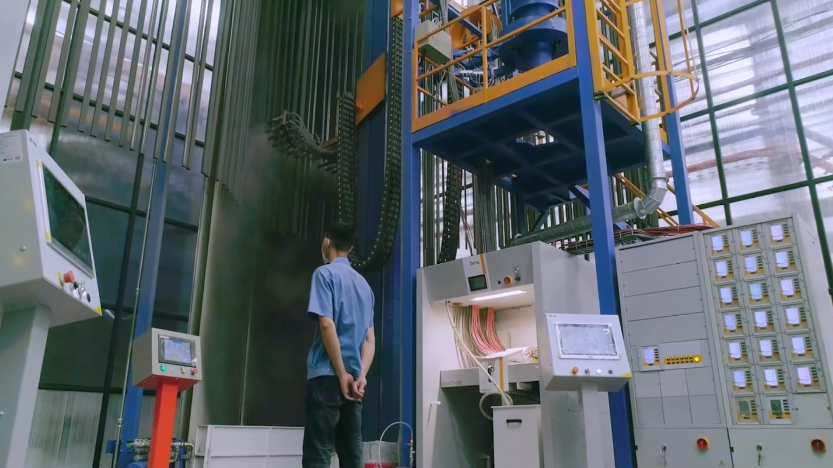
Materials Designed for Complete Facade Performance
FOWALL curtain wall systems combine rigorously selected materials into integrated building envelope solutions — engineered from the aluminum alloy to the final sealant bead for structural reliability, energy efficiency, and long-term weather protection.
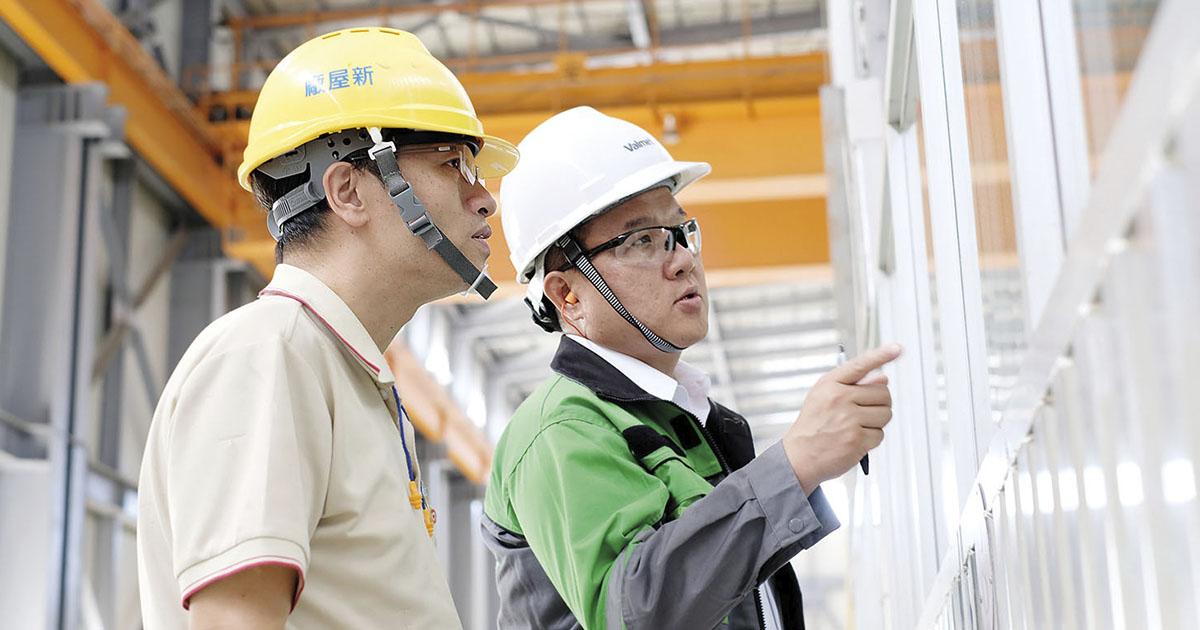
Structural Foundation
High-Grade Aluminum Profiles
Aluminum profiles form the primary structural framework of every modern curtain wall system. FOWALL sources architectural-grade alloys — selected for their strength-to-weight ratio, corrosion resistance, and consistent surface quality.
Through controlled extrusion, precision CNC fabrication, and multi-stage finishing processes, each profile achieves tight dimensional tolerances and seamless integration with glazing, gaskets, and connection hardware.
FOWALL aluminum framing is engineered to span floor-to-floor heights while supporting the dead load of large-format insulating glass units and resisting design wind loads appropriate to the project's geographic location and building height (verified through project-specific structural engineering per applicable codes).
Inquire About ProfilesArchitectural Surface Finishes
| Finish | Key Properties | Typical Applications |
|---|---|---|
| PVDF Fluorocarbon Coating | Exceptional UV resistance; long-term color stability meeting AAMA 2605 requirements | Premium commercial facades, coastal environments |
| Powder Coating | Wide color gamut; strong impact and abrasion resistance meeting Qualicoat specifications | Mid-rise commercial, interior applications |
| Anodized Finish | Metallic appearance; enhanced surface hardness and corrosion resistance | Architectural feature walls, interior partitions |
| Custom Decorative Finishes | Wood-grain transfer, metallic effects, textured surfaces | Bespoke architectural projects |
Thermal Break Technology
Engineered energy separation — three proven approaches to eliminate thermal bridging
Polyamide Strip (PA66 GF25)
Glass-fiber-reinforced nylon strips mechanically locked into dual aluminum extrusions. High structural composite strength with dual finish capability — the industry standard for high-performance facades.
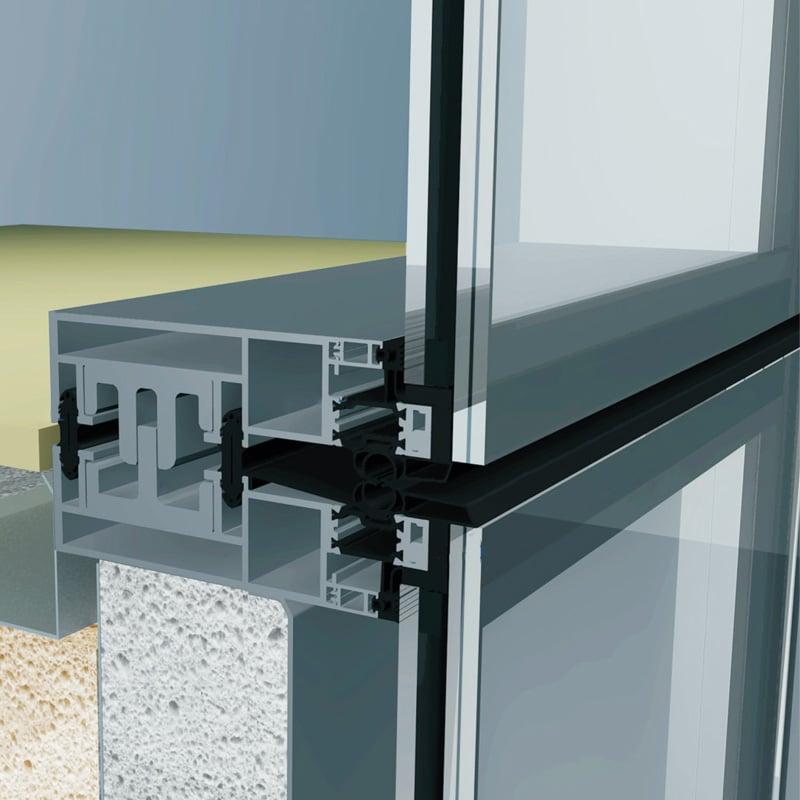 Polyamide Strip
PU Pour & Debridge
Liquid polyurethane poured into a thermal cavity, cured, then the aluminum bridge is cut away. Cost-effective solution with single-piece extrusion simplicity — ideal for mid-rise commercial applications.
 PU Pour Process
Thermal Separator + Warm-Edge
Low-conductance PVC-U/EPDM isolator in the pressure-plate gutter separates exterior cover from structural mullion. Combined with warm-edge spacer technology to reduce edge-of-glass thermal bridging.
 Thermal Separator
All thermal break solutions designed to meet or exceed ASHRAE 90.1 and regional energy codes — verified through project-specific thermal modeling.
Architectural Glass Solutions
Performance-driven glazing — the most influential element governing facade energy performance, daylight quality, and acoustic comfort
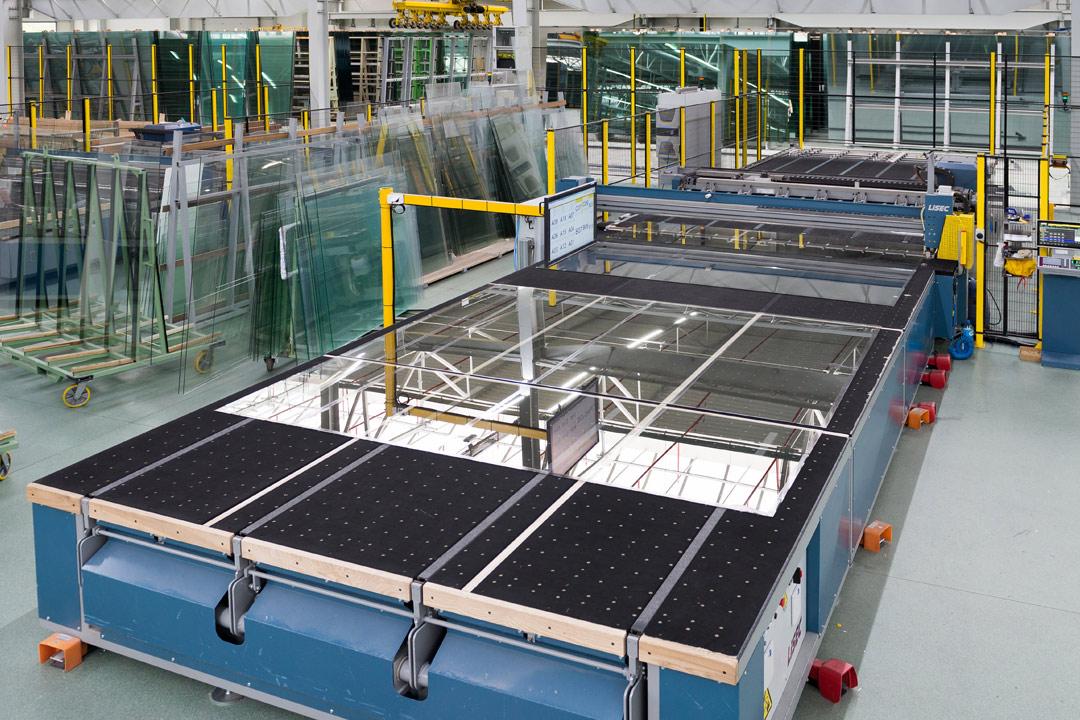
Single Silver Low-E
Balanced thermal insulation with moderate solar control. Best for temperate climates and year-round comfort.
Double Silver Low-E
Enhanced solar control with strong thermal insulation. Preferred for hot climates and cooling-load-driven buildings.
Triple Silver Low-E
Maximum thermal isolation and solar reflectivity. Engineered for extreme climates, net-zero and passive house design.
Insulated Glass Units (IGU)
FOWALL curtain wall systems support customized double and triple glazing configurations with argon/krypton gas fill and warm-edge spacers — configured to each project's climate zone, building orientation, and performance targets.
- Double Glazing:Single cavity with air or argon fill for moderate climates
- Triple Glazing:Dual cavities for maximum thermal resistance in cold climates
- Safety Glass:Tempered (EN 12150), heat-strengthened (EN 1863), and laminated (PVB/SGP)
- Decorative:Ceramic frit, digital printing, acid-etched, and body-tinted options
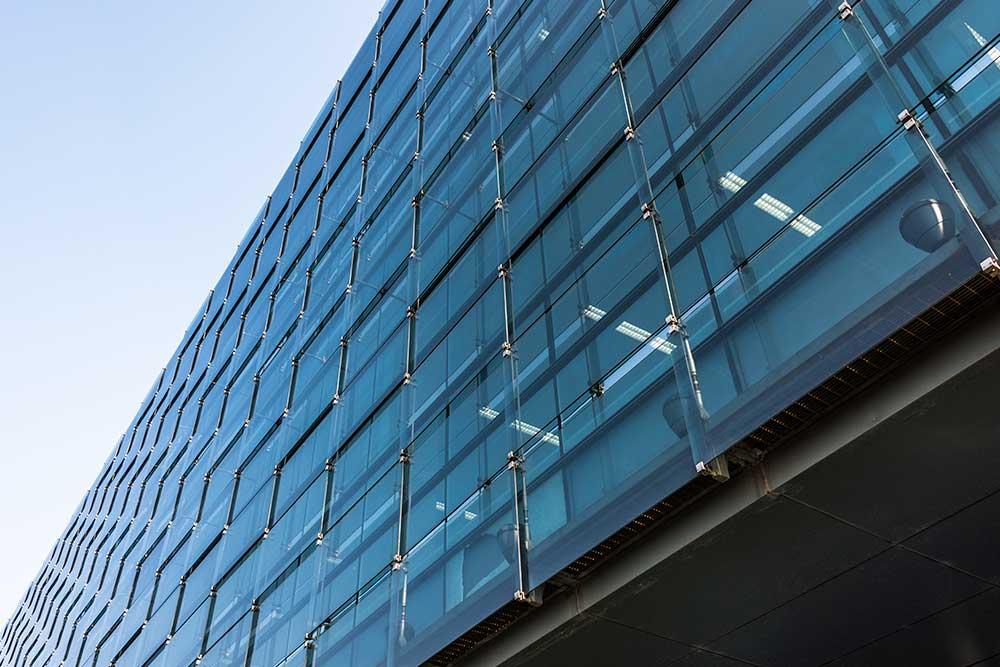
Weather Sealing & Hardware
Multi-layer protection — the facade's first and most critical defense against the elements
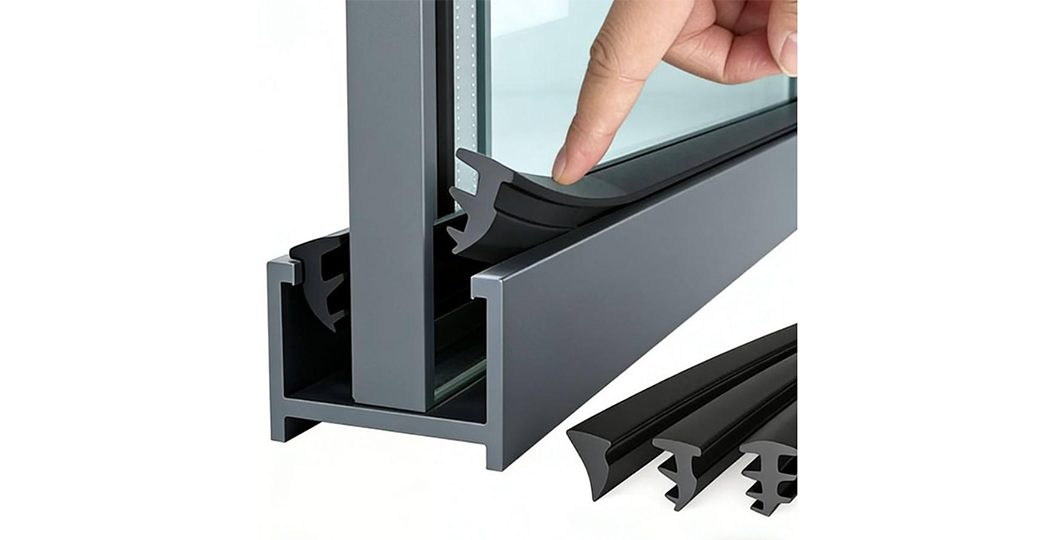
Primary Defense
Gasket & Sealant Systems
EPDM weather seals with ozone and UV resistance. Silicone gaskets for high-movement joints. Structural silicone for glass-to-frame bonding. Butyl sealants as primary air and vapor barrier within IGU edge seals.
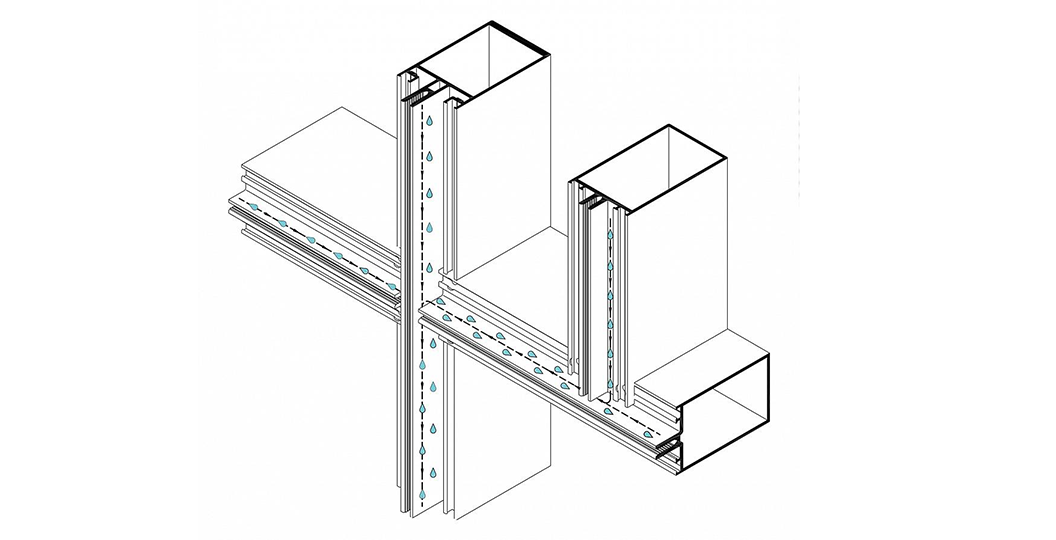
Engineered Drainage
Pressure-Equalized Rain Screen
Multi-level sealing strategy with integrated drainage channels at each transom. Controlled weep paths direct water to the exterior — verified per ASTM E1105, AAMA 501.1, and EN 12155.
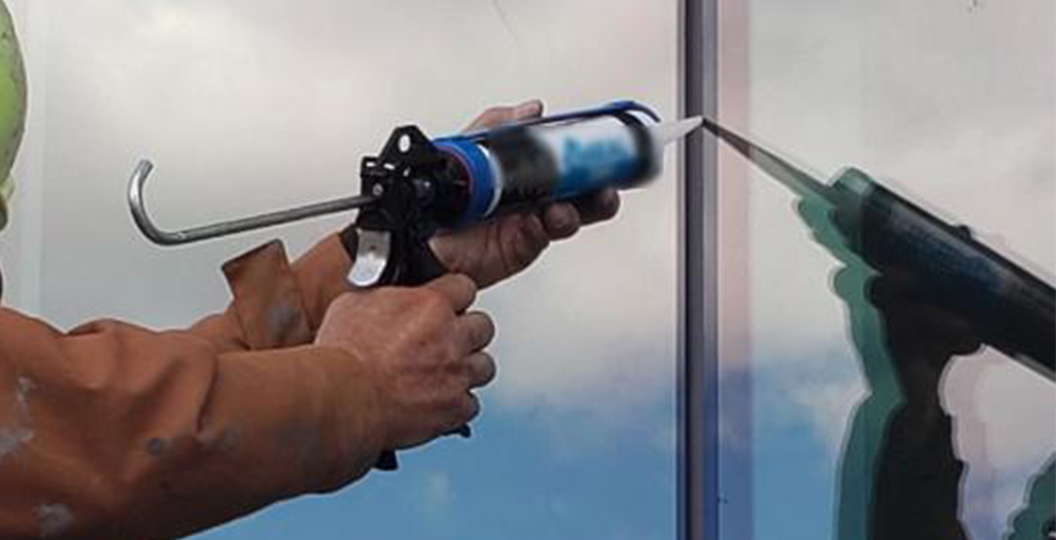
Precision Connection
Hardware & Anchoring
AISI 304 for standard projects; AISI 316 with 2% Mo for coastal environments. Multi-axis adjustment brackets accommodate inter-story drift, thermal expansion, and building movement.
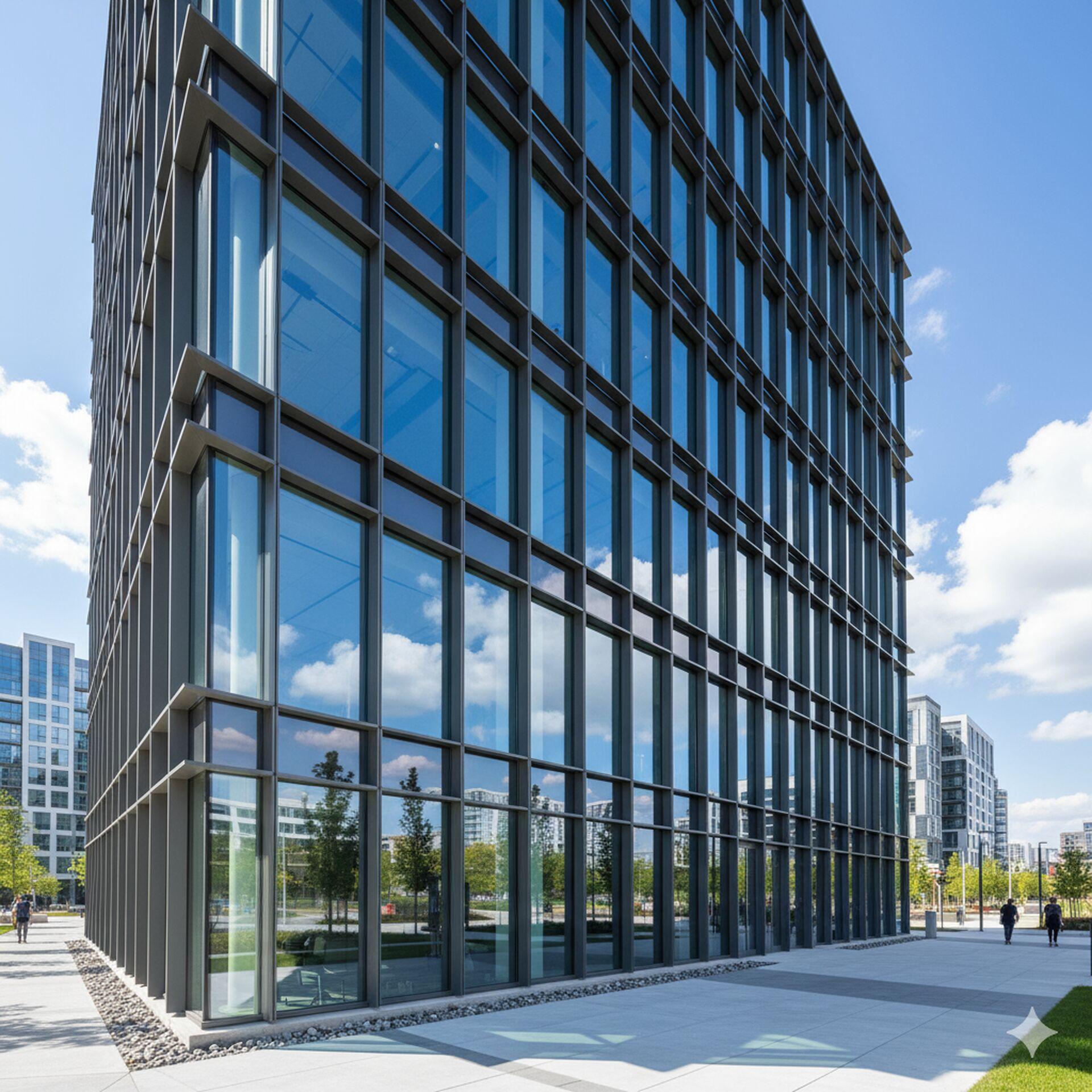
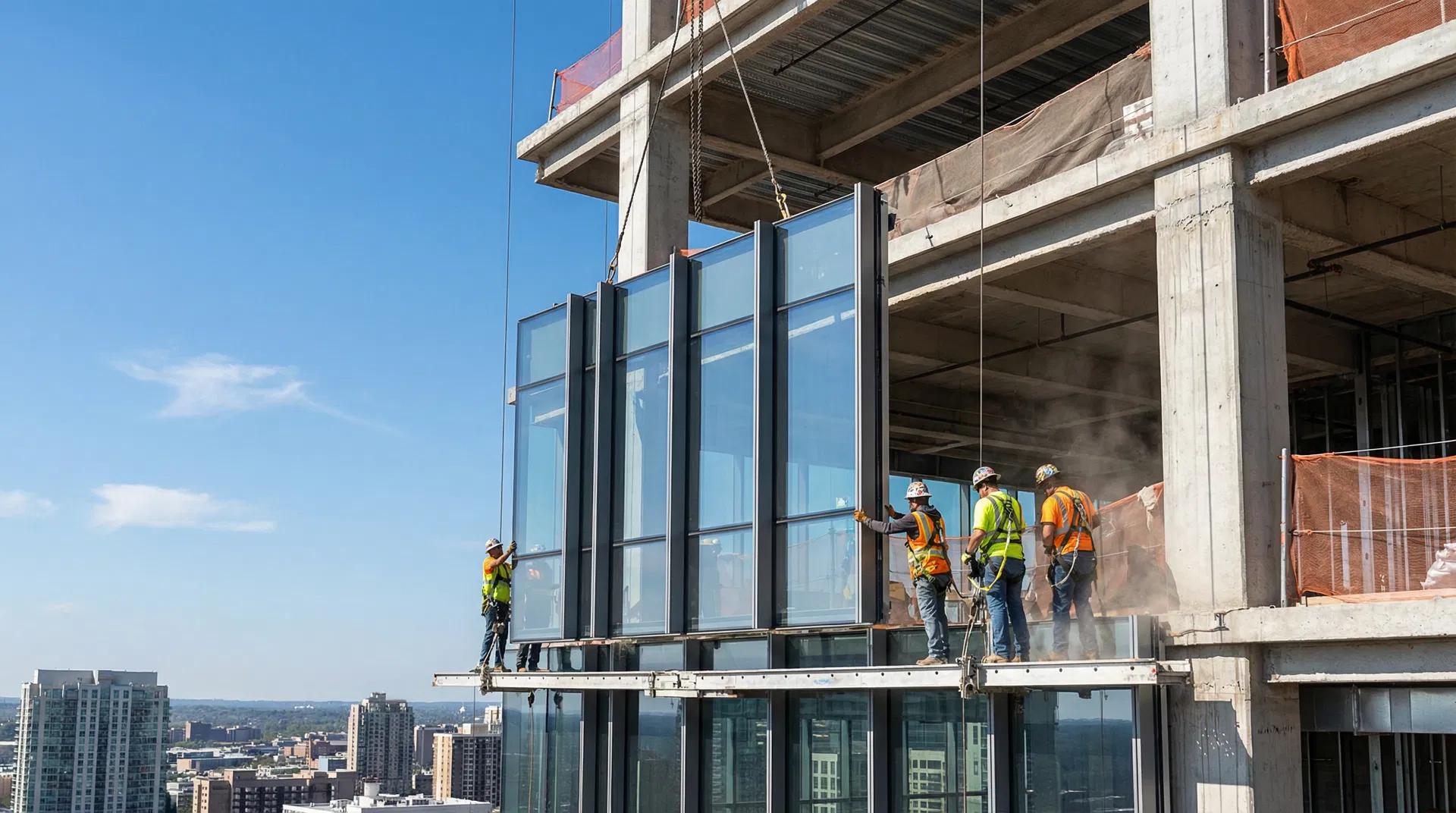
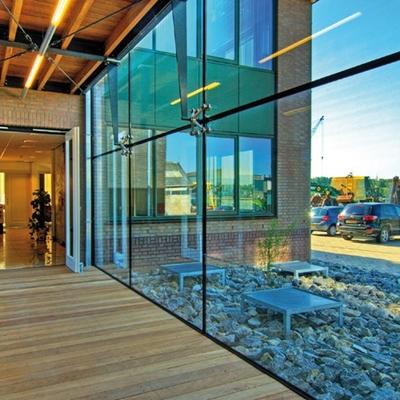
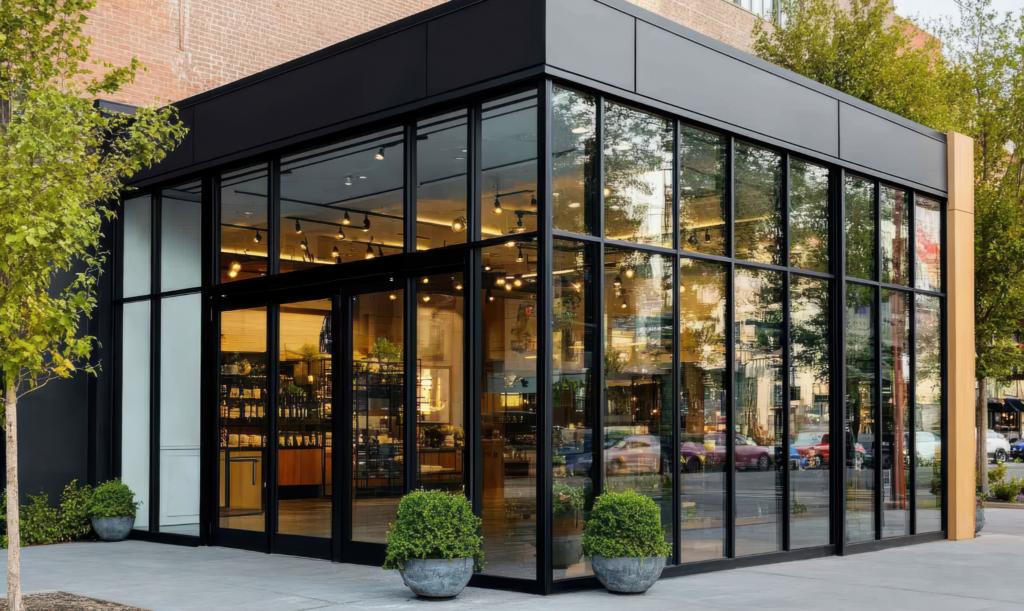
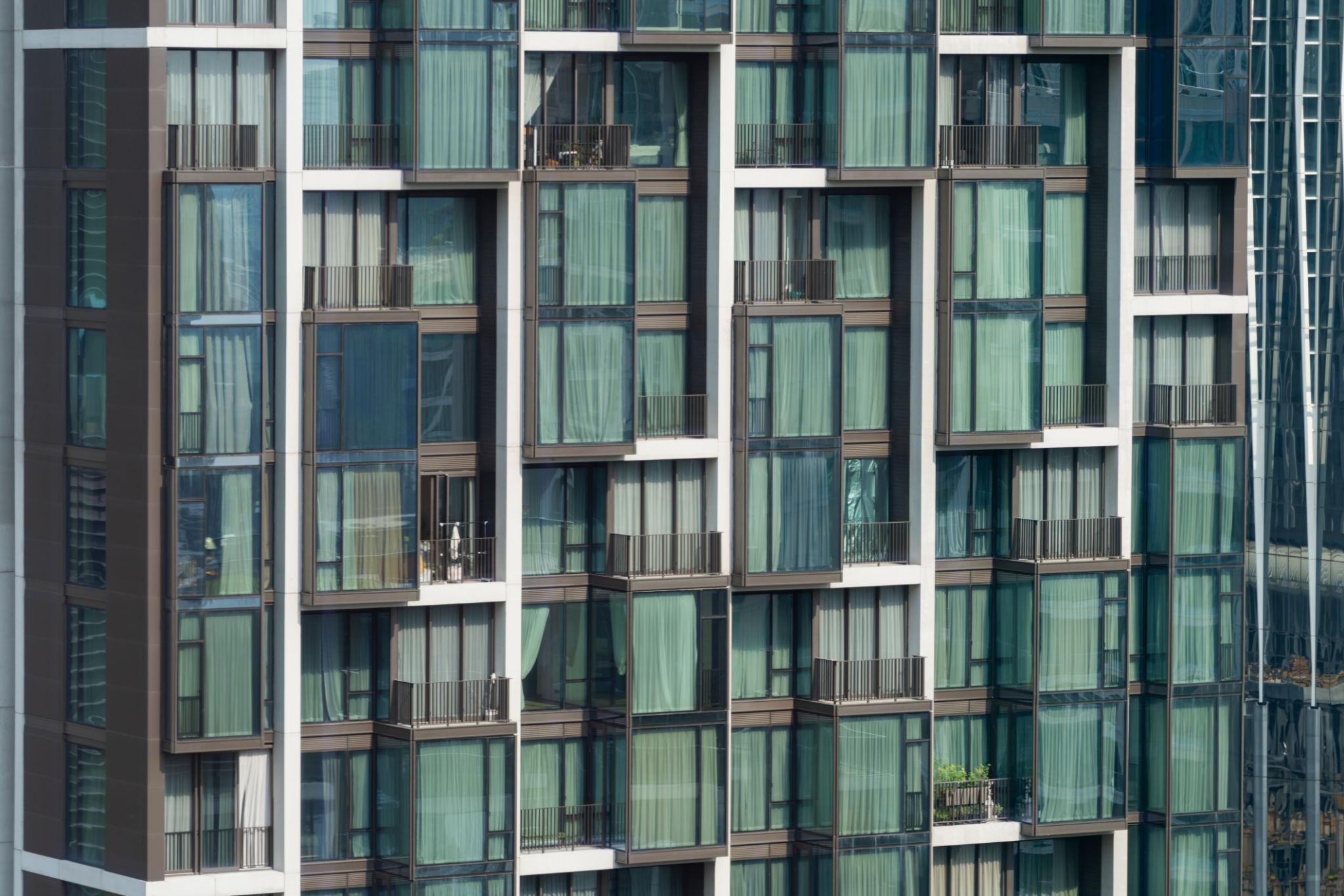
Integrated Curtain Wall Systems
Complete facade solutions — from storefront to high-rise tower, every system engineered for its application
Quality & Digital Delivery
Visibility at every stage — from BIM coordination to factory monitoring to site installation
 01
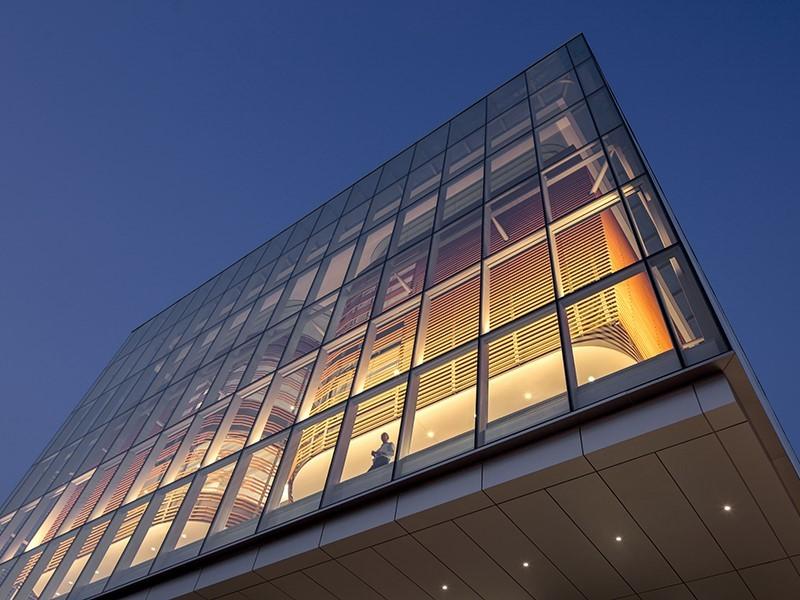
01BIM & Digital Engineering
3D BIM modeling and Revit-based design coordination with clash detection. Shop drawing development and installation sequencing plans for seamless site execution — every connection point modeled before fabrication begins.
 02
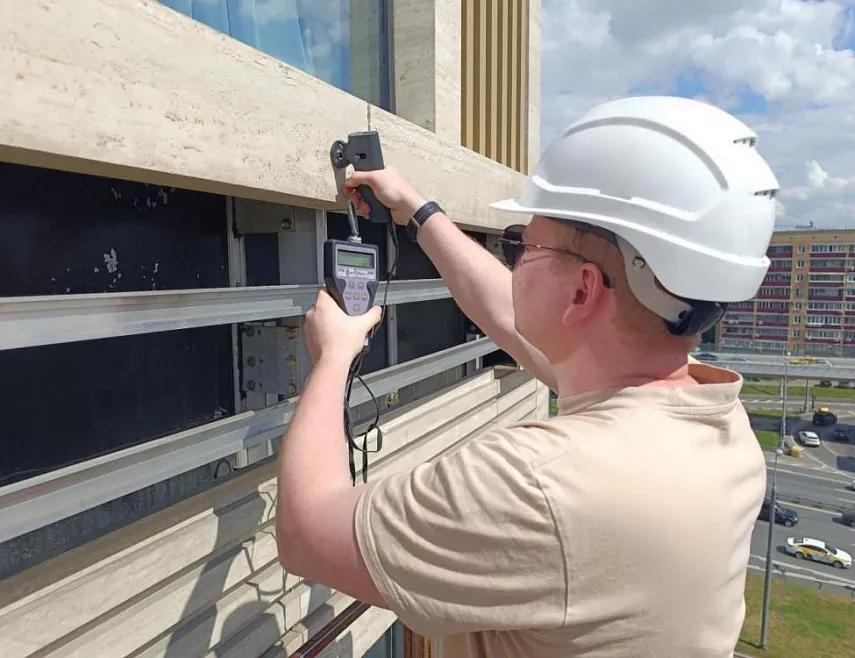
02Transparent Quality Assurance
Material batch inspection and mill certifications. Factory production monitoring with key-stage visibility. Coating thickness documentation per AAMA 2605 and Qualicoat standards — because performance claims require verifiable proof.
 03
03Project Delivery Transparency
Real-time project visibility from factory fabrication through site installation — providing architects, contractors, and project teams with milestone transparency at every stage of the delivery pipeline.

Built with Precision. Delivered with Confidence
Discuss your project requirements with FOWALL engineering. From material specification to system integration, our team provides sustained professional guidance at every stage.