From Aluminum to Systems: How FOWALL Engineers the Future of Curtain Walls
FOWALL INSIGHTS / COMPANY & ENGINEERING
Every great building begins with great materials. For FOWALL (DMLP Facade & Engineering Co., Ltd.), more than four decades of aluminum manufacturing experience have developed into an engineering-led approach to complete curtain wall systems.
This is the story of how a manufacturing heritage became an integrated facade capability—and how that capability supports developers, architects, contractors, and procurement teams from early system planning through production and delivery.
01The Foundation: 40+ Years of Aluminum Manufacturing
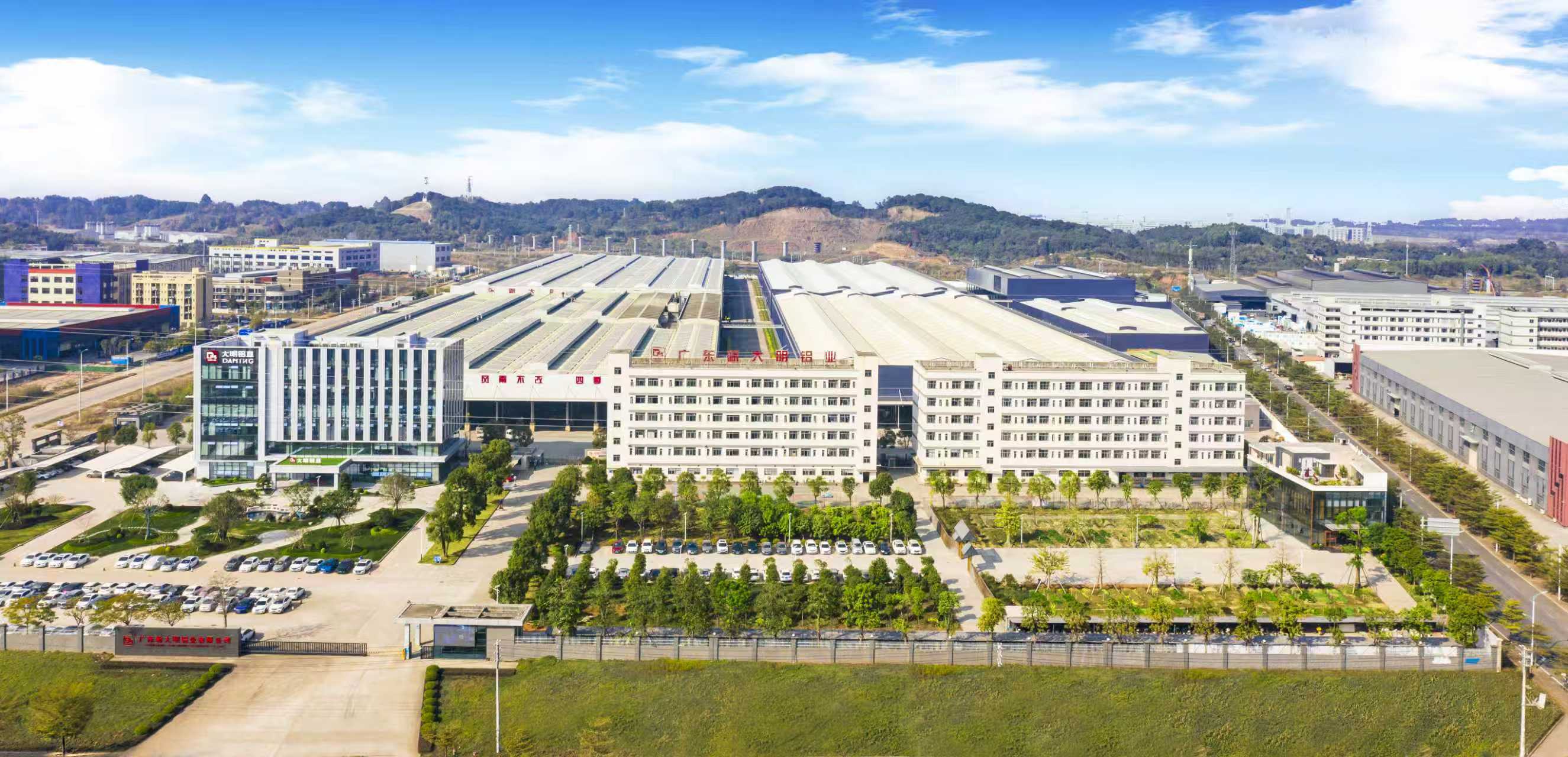
FOWALL's story begins with aluminum. For more than 40 years, DMLP has worked with aluminum extrusion, treatment, and finishing, building practical knowledge in alloy selection, die design, extrusion behavior, profile processing, and surface treatment.
That background matters because aluminum profiles form the structural framework of many curtain wall systems. Instead of starting only with standard purchased components, FOWALL can coordinate profile design and curtain wall system requirements within an integrated manufacturing environment.
02From Components to Complete Systems
FOWALL's expansion into curtain wall engineering marked a shift from supplying components to coordinating complete facade systems. A component request asks what profile is needed. A system request begins with the building's geometry, performance criteria, interfaces, programme, procurement route, and delivery requirements.
The resulting scope can involve structural and system coordination, material selection, testing and verification questions, factory production, project documentation, packaging, shipment planning, installation support, and quality records. The exact deliverables remain project-specific and must be confirmed in the quotation and contract documents.
Aluminum Profiles
Extrusion experience, custom die development, profile processing, powder coating, anodizing, and project-specific production records.
Architectural Glass
Project-specific glass selection and coordination for thermal, structural, acoustic, visual, coating, spacer, and configuration requirements.
Curtain Wall Systems
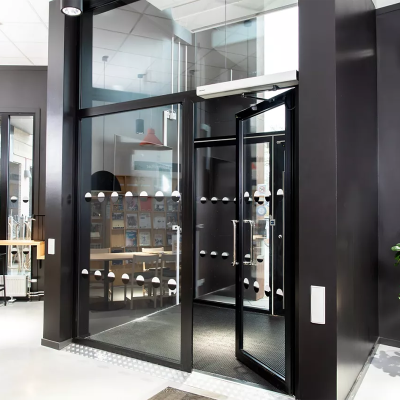
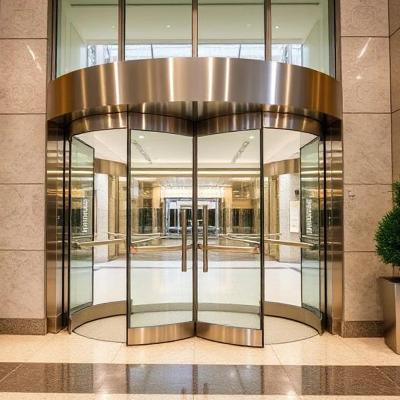
Stick and unitized curtain walls, window-wall and storefront applications, aluminum windows and doors, overhead glazing, and architectural metalwork.
Integrated supply does not remove the need for project review. It creates a clearer route for coordinating materials, drawings, factory work, quality records, schedule, packaging, and delivery under one defined project scope.
Buyer Verification: Integrated System Claims
What does an integrated curtain wall system approach mean? It treats the facade package as coordinated systems and interfaces rather than disconnected components.
Why does supply-chain integration matter? It may support consistency in materials, engineering, quality records, coordination, and delivery, but the actual scope must be verified.
What should buyers verify behind an integrated-system claim? Verify the actual manufacturing, engineering, material, quality, documentation, delivery, and installation responsibilities.
03Engineering Excellence: Seven Connected Capabilities
The merged article expands FOWALL's seven engineering capabilities into distinct workstreams so clients can understand what each category may contribute. Availability, responsibility, fees, deliverables, and review routes must still be confirmed for the specific project.
Design & Budget
Early system planning, quotation input review, cost visibility, alternatives, and value-oriented coordination before the project basis is fixed.
Technical Standards
Project-specific reference to aluminum, glass, sealants, hardware, finishes, system performance, submittals, and applicable documentation.
Materials & Systems
Coordination of profile, glass, infill, gasket, sealant, hardware, finish, interface, and system assumptions for the stated application.
Construction Quality Control
Incoming material checks, in-process inspection, finished-product review, labeling, packaging, release records, and requested evidence.
Project Management
Production planning, progress reporting, change coordination, shipment planning, issue tracking, and communication with international project teams.
Verification & Assurance
Project-defined mockup, material, factory, field, inspection, testing, reporting, corrective-action, and record-coordination questions.
Transparency
Order visibility, production records, inspection information, progress photographs, documentation requests, and factory-audit coordination.
04Production at Scale: A 550,000 m² Manufacturing Base
FOWALL's production base brings aluminum-related processes and curtain wall manufacturing activities into one coordinated industrial environment. Scale alone is not a quality conclusion; its practical value depends on how capacity, process control, equipment, personnel, documentation, and project scheduling are applied to each order.
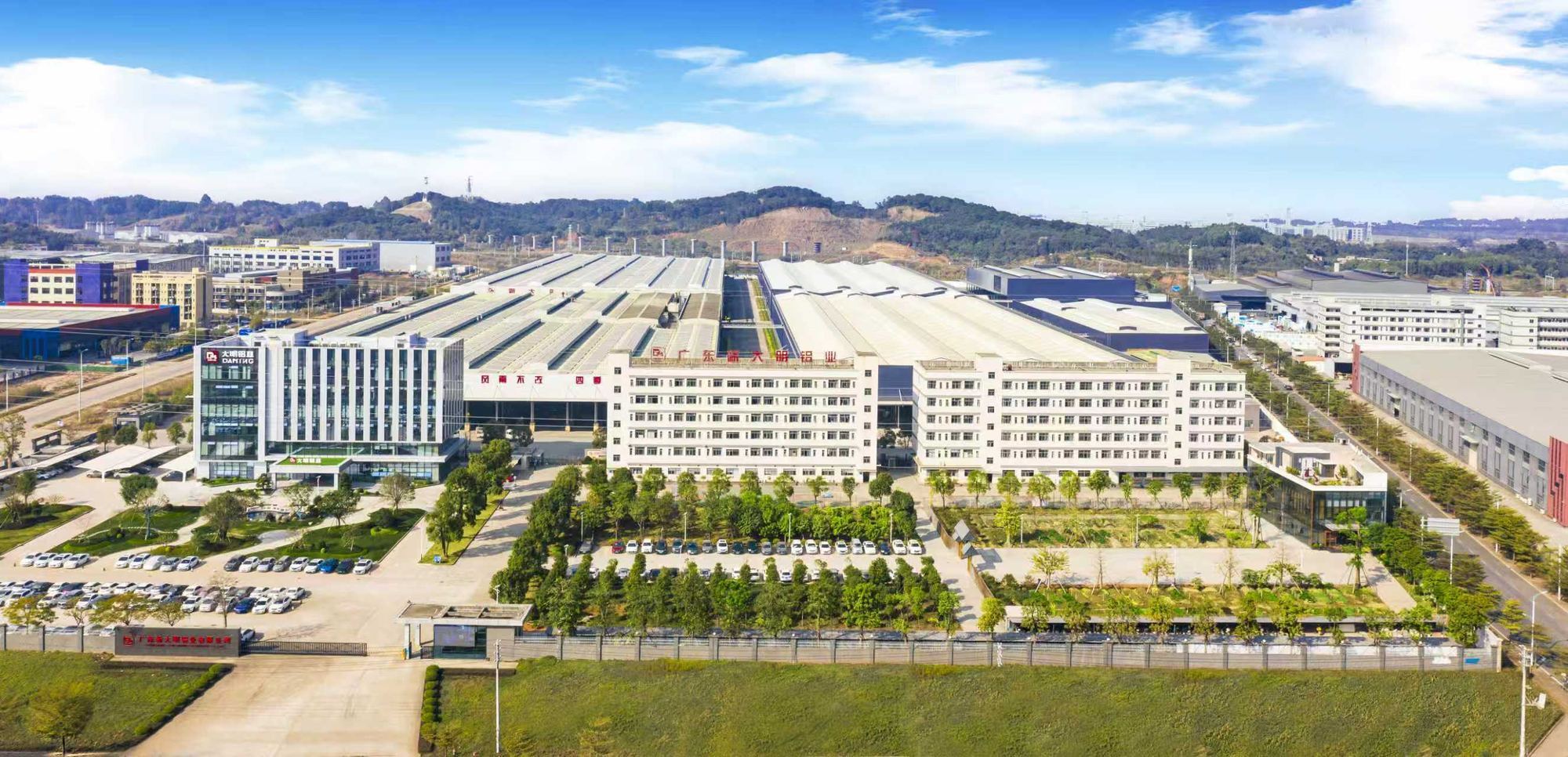
Capacity can be coordinated across major projects through production schedules, line allocation, material planning, and release milestones.
Related manufacturing, machining, assembly, inspection, packaging, and documentation activities can be coordinated within a unified production route.
Defined procedures, inspection stages, traceability fields, nonconformance routes, and requested records help make the project basis visible.
Client or third-party factory visits, inspections, and document requests can be discussed as project-specific scope items.
05Proof in Practice: World Market Center Las Vegas
World Market Center Las Vegas provides a concrete example of how facade manufacturing and project coordination come together. The commercial and exhibition complex required a large, visually consistent building envelope suited to an intense desert environment.
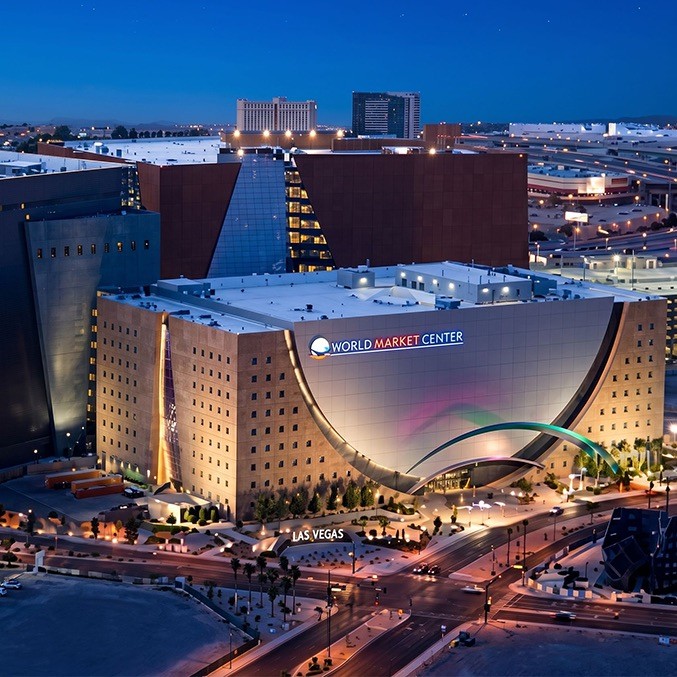
PROJECT EXAMPLE / UNITED STATES
Approximately 20,000 m² of facade scope
FOWALL supplied an aluminum-and-glass curtain wall system with PVDF-finished aluminum components for the project, together with facade engineering coordination and installation assistance within the stated project scope.
The example shows the relationship between finish consistency, panel alignment, environmental exposure, system coordination, production control, and site execution. It does not imply that one project detail or result applies universally to another building.
06Global Delivery Across Different Project Conditions
International projects require more than shipment from one country to another. The quotation and delivery plan must respond to the applicable project documents, jurisdiction, climate, performance basis, packaging, logistics, programme, installation route, and handover requirements.
North America
Project-specific ASTM references, wind and energy requirements, submittals, testing, logistics, and contract procedures.
Australia
Project-specific Australian requirements, coastal exposure, wind or seismic conditions, documentation, and delivery planning.
Middle East
High-temperature exposure, solar conditions, large-scale unitized delivery, finish selection, packaging, and project logistics.
Southeast Asia
High humidity, typhoon or wind requirements, corrosion questions, delivery sequencing, site access, and programme coordination.
These market categories are planning prompts, not statements that every project shares the same code, system, test, price, or performance requirement.
07What Clients Experience in Practice
Engineering access
Technical questions can be routed to engineering and project teams rather than treated only as sales discussions.
Production visibility
Project-specific progress information, photographs, inspection records, and release documentation can be defined in the reporting scope.
Quotation clarity
Materials, engineering, manufacturing, packaging, delivery, optional services, exclusions, and open questions can be separated for review.
Verification route
Certificates, test reports, inspection evidence, mockups, audits, and professional review can be identified where applicable.
Coordinated accountability
A defined point of contact can coordinate system, factory, quality, document, and delivery questions across the agreed scope.
08Looking Forward
FOWALL continues to develop automated handling and assembly, BIM-based engineering coordination, digital quality records, recycled-aluminum and carbon-information workflows, improved thermal-break systems, and high-performance glazing packages.
The technology may change, but the operating foundation remains consistent: aluminum manufacturing experience, curtain wall specialization, engineering-led coordination, documented quality control, and visible project delivery.
FROM MATERIAL TO SYSTEM
Engineering begins before the panel reaches the building.
FOWALL's development from aluminum manufacturing to integrated curtain wall systems connects material knowledge, engineering coordination, factory capability, project management, verification, and delivery. For a project-specific review, share the design basis, drawings, performance requirements, quantity and panel information, delivery conditions, and required technical services with the FOWALL team.
Discuss Your Facade Project